
Sleepless in Sao Paulo, Relaxed in Rio
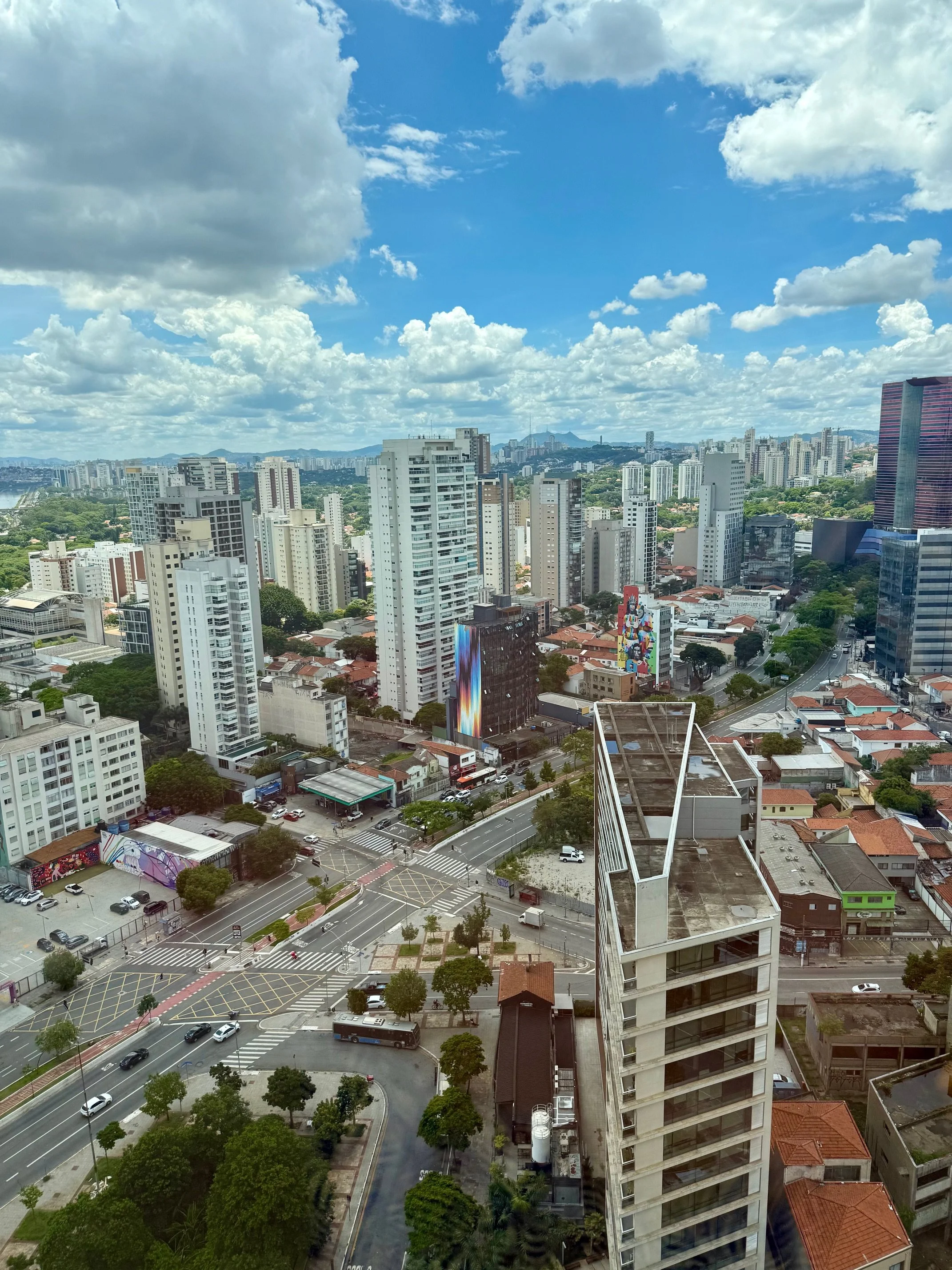
Over the last few years, thanks to my job, I’ve had the pleasure of getting to know many Paulistas—people who live in São Paulo—and I’ve had the chance to visit them a few times, too.
“Will you be able to go to Rio?” they always ask when they hear I’m coming, a question that perplexed me at first. Where was their hometown pride? “São Paulo is a place you go to work, but Rio is a place you go to live,” they explained.
While my previous trips to São Paulo did prove them right since all I really did there was work, the timing of my most recent visit allowed for one weekend day to fact-check them, followed by two weeks of remote work from Rio to see what all the fuss was about.
Sure, São Paulo is a serious place… unless you know where to look. My friends there were at somewhat of a loss for tourist recommendations, which was fine by me because those spots often feel obligatory, and my preferred way to explore is by doing what the locals do. This is a massive city filled with tall buildings, chic people, and a palpable hustle, and with only one weekend day to work with, I wanted to cover as much ground as possible.
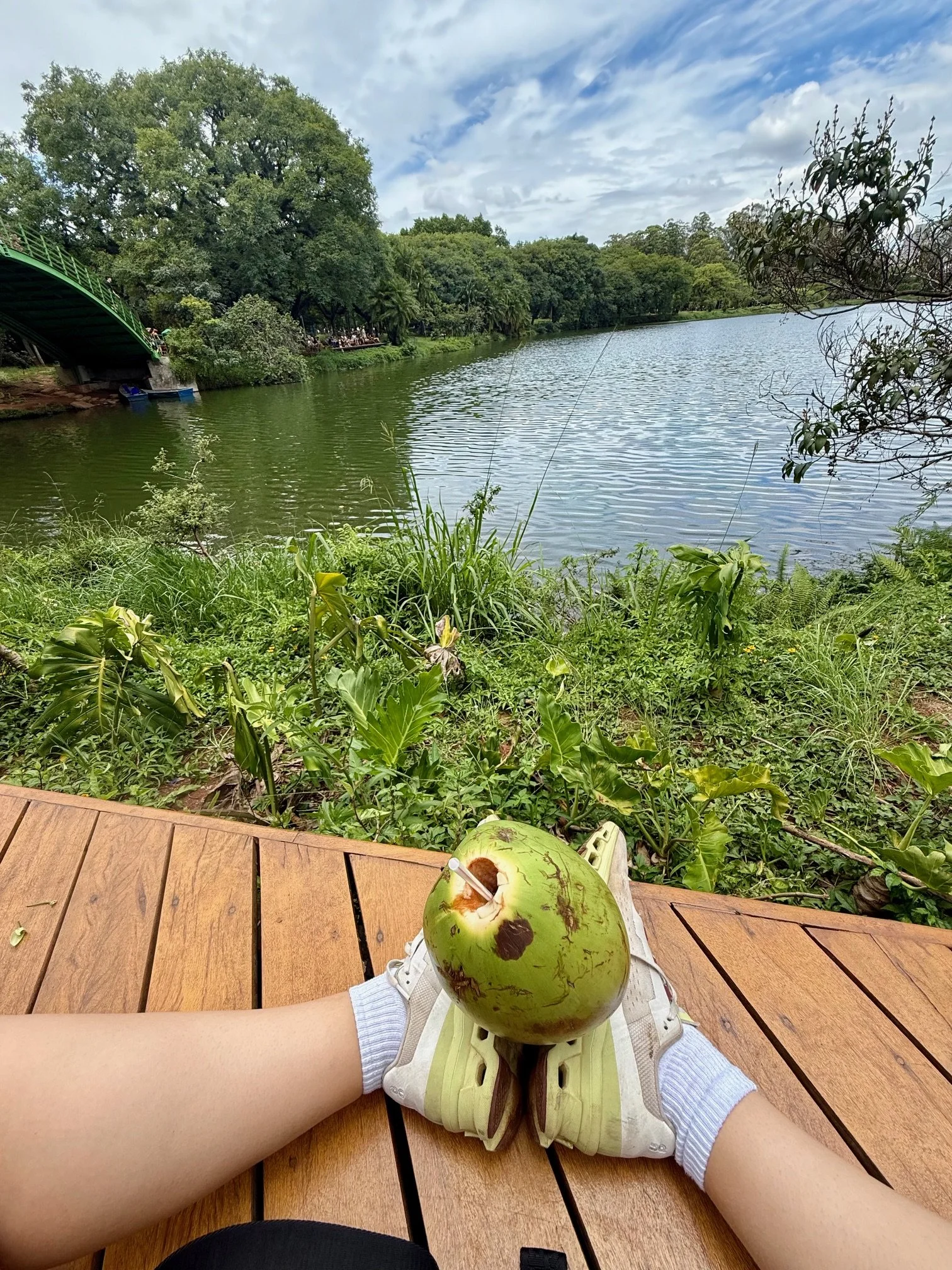
My São Paulo Saturday began with a run through the expansive Ibirapuera Park, alongside legions of Paulistas getting their steps in. I cooled down with a fresh coconut, hatcheted open at one of the ubiquitous concession stands and sold for under $1 USD, which I leisurely sipped while stretching on one of the shady observation decks that surround the lake.

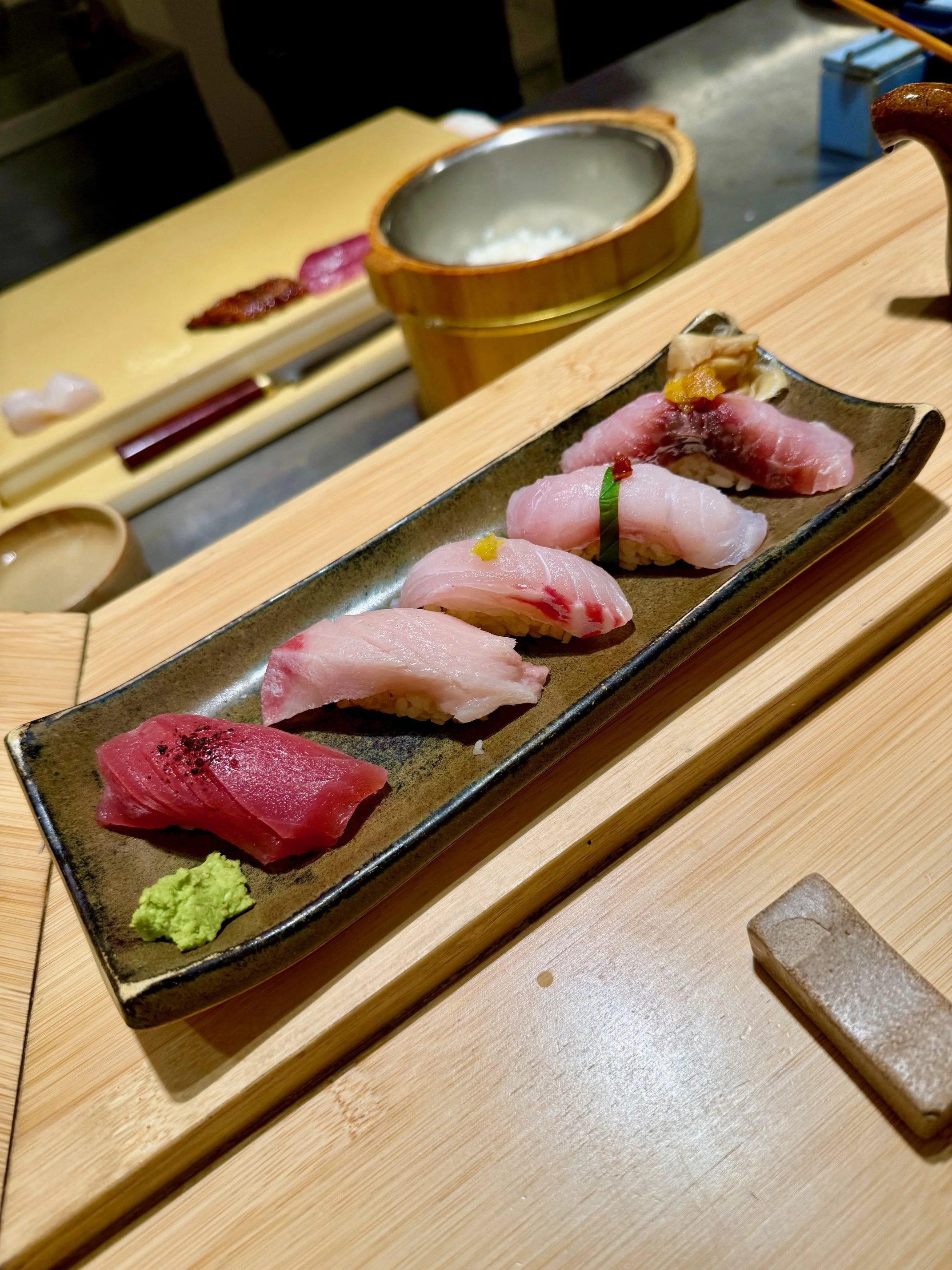
São Paulo has the largest Japanese population outside of Japan, so sushi was perfunctory. I splurged on an omakase at Restaurante Aizomê’s austere sushi counter in the chic nearby neighborhood of Jardins.
Next, I headed to Coffee Lab, a third-wave coffee shop filled with equal parts angst and aroma, followed by a wide-eyed meander through Beco do Batman, a tiny enclave of alleys covered in vibrant street art. Following my ears through the maze, I stumbled upon an all-percussion marching band (called a bloco in Brazil) euphorically pumping out interlocking samba rhythms that demanded movement. I followed the crowd and danced in the rain.
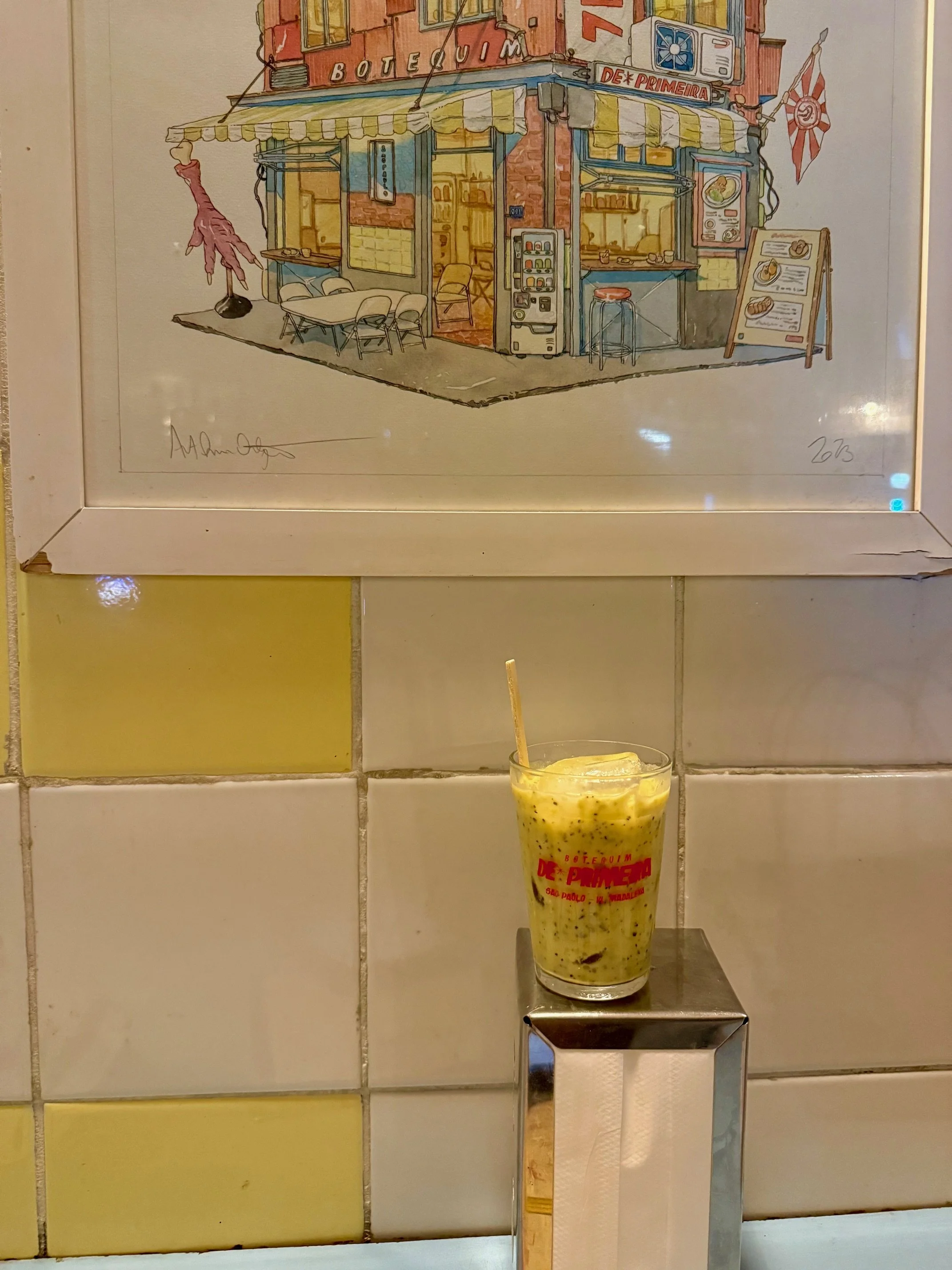
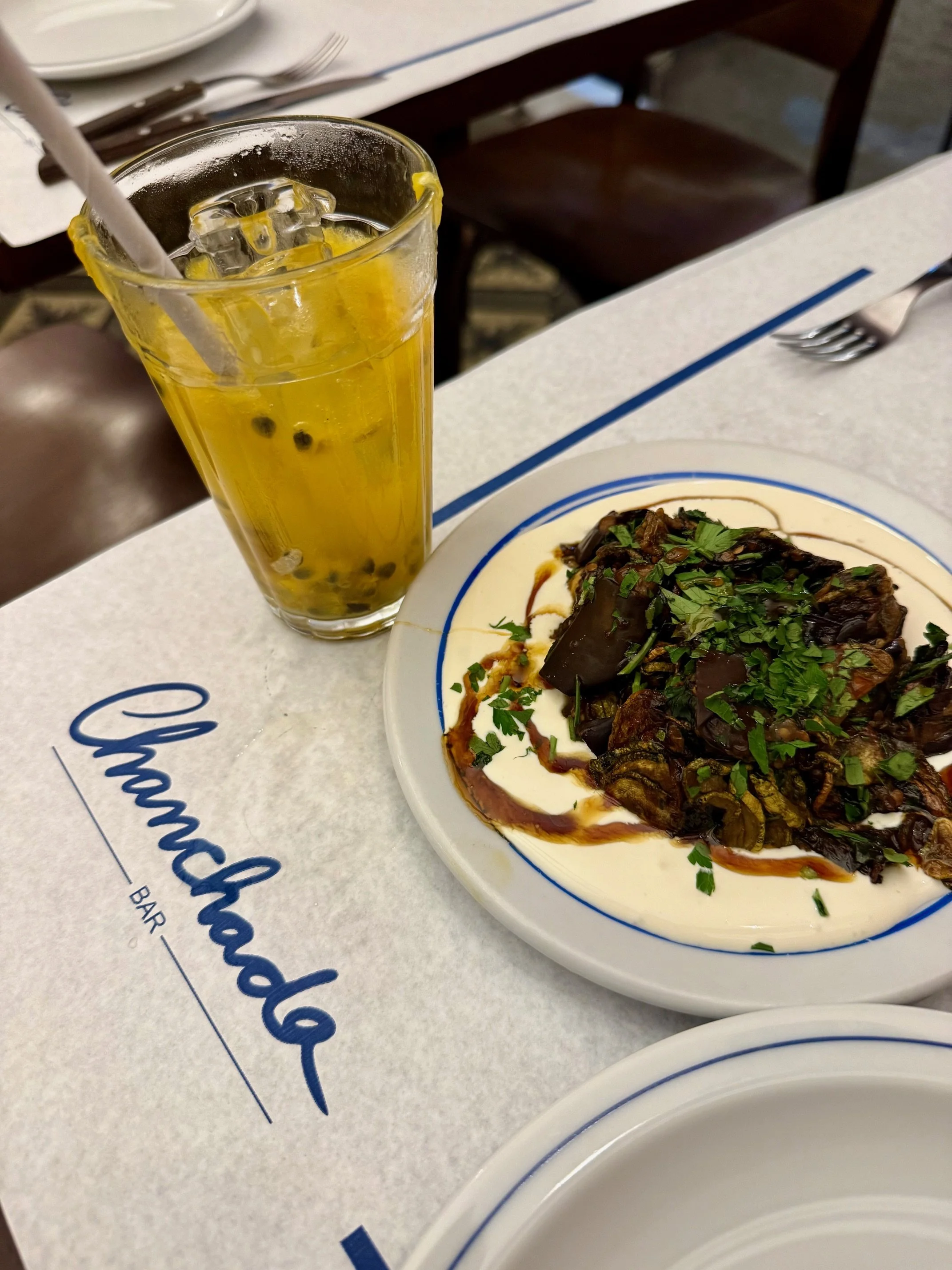
With some time to kill before dinner, I wandered into a nearby boteco for a freezing-cold chopp—fresh, unpasteurized beer served in small glasses and ubiquitous around town—followed by a batida, a creamy coconut milk and cachaça treat, this one blended with passion fruit.

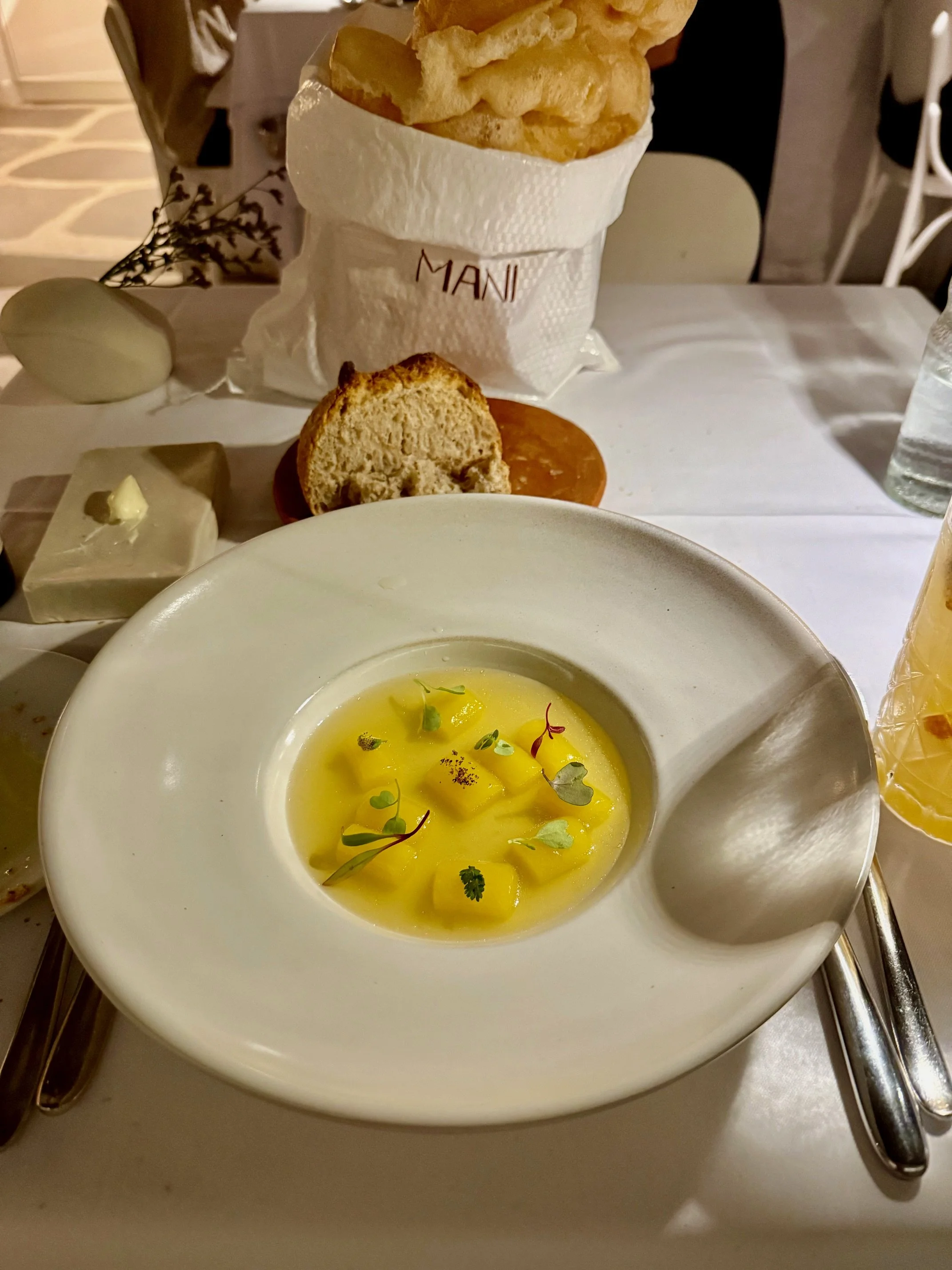
For the final act of my marathon day, I headed to Maní, beloved Brazilian chef Helena Rizzo’s renowned upscale restaurant. The ambitious, playful menu emphasizes national ingredients and inventive technique. Though everything I tasted was revelatory, the melt-in-your-mouth arracacha and arrowroot gnocchi, served in a shallow pool of umami-blasted manioc-root dashi, was truly special.
Looking back, this solo-travel itinerary sounds exhausting and overly ambitious, but my pace felt right in line with the locals around me who were in just as much of a hurry to seize the day as I was. TL;DR: this is a city to get shit done, waste no time, and where quality is king.
Rio, on the other hand, is a place to linger.
And linger I did—for two glorious weeks. Only thirty minutes away by plane, Rio feels like another culture entirely.

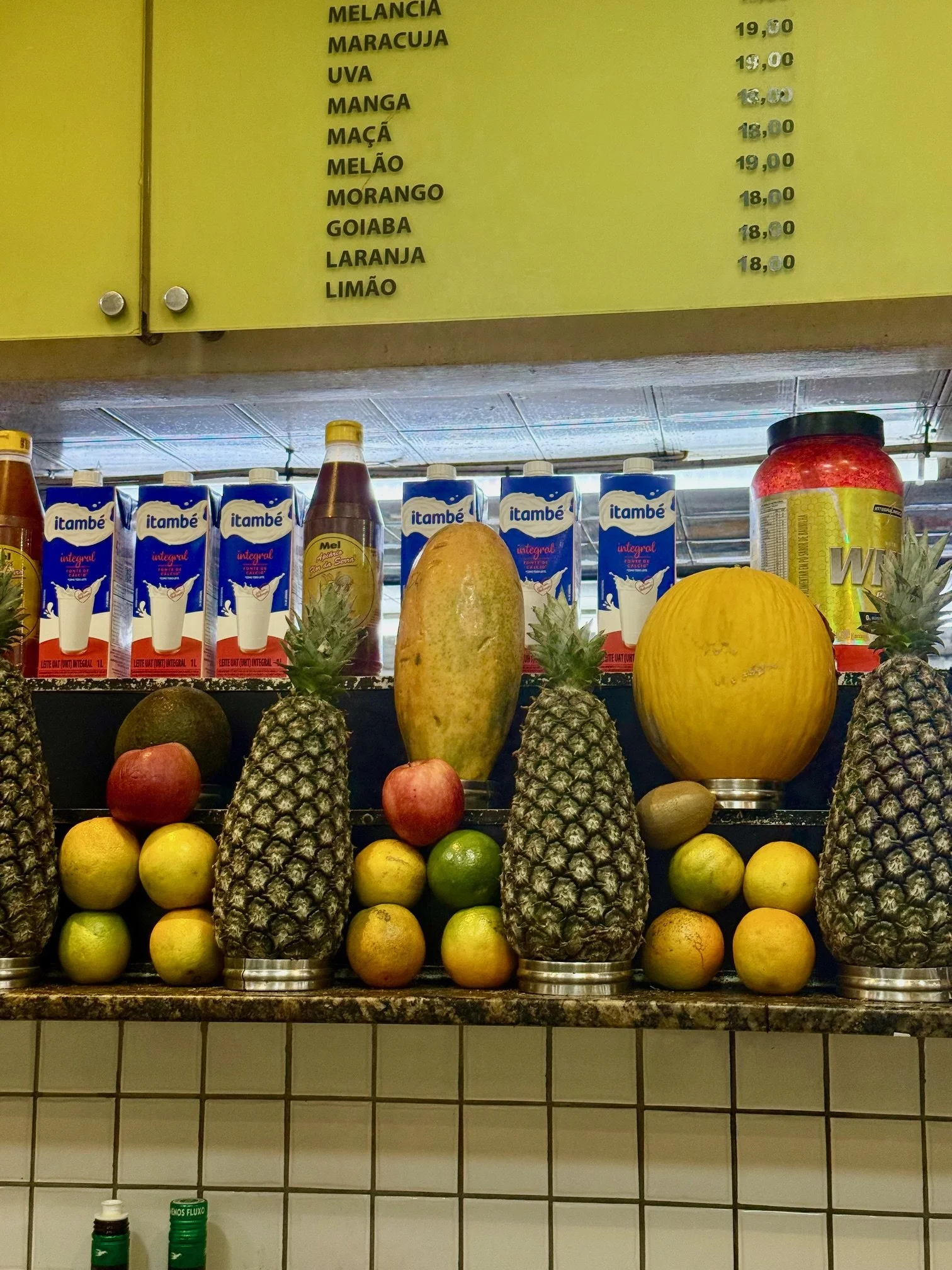
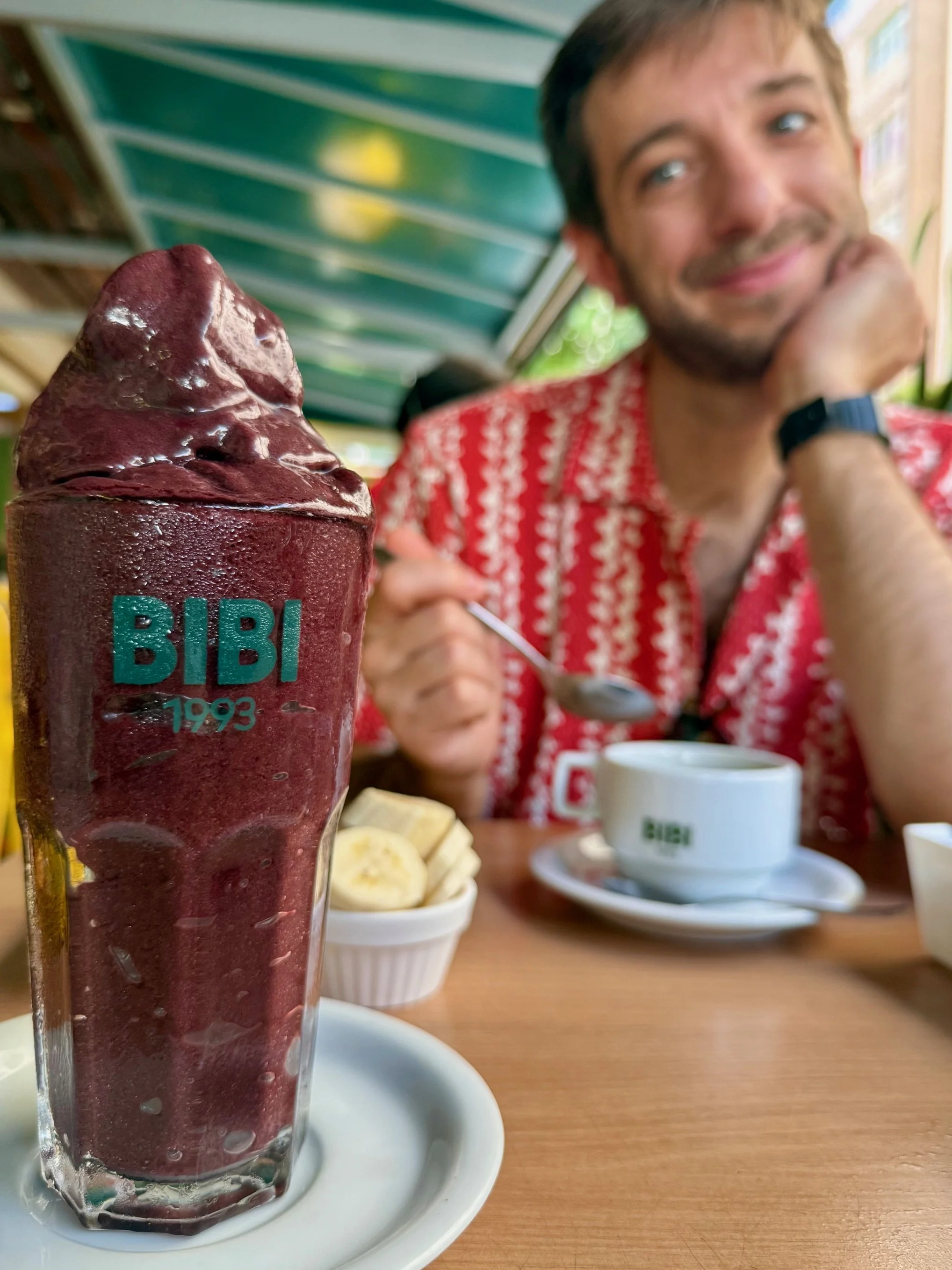
There’s Copacabana, the slightly gritty, old-school neighborhood near the famous beach, where gaggles of old men hunch over cafezinhos all day and the sand buzzes with energy from sunrise to long after sunset. The best way to start the day here is at one of the zillion juice bars, with a dark, glistening, and overflowing glass of açaí (served straight up and barely sweet), a vitamina (smoothie), or a fresh juice. No matter how you take your tropical fruit, it’d be a sin to pass up a pão de queijo pairing. These chewy cheese balls are made with tapioca flour and served warm at every juice shop in town.
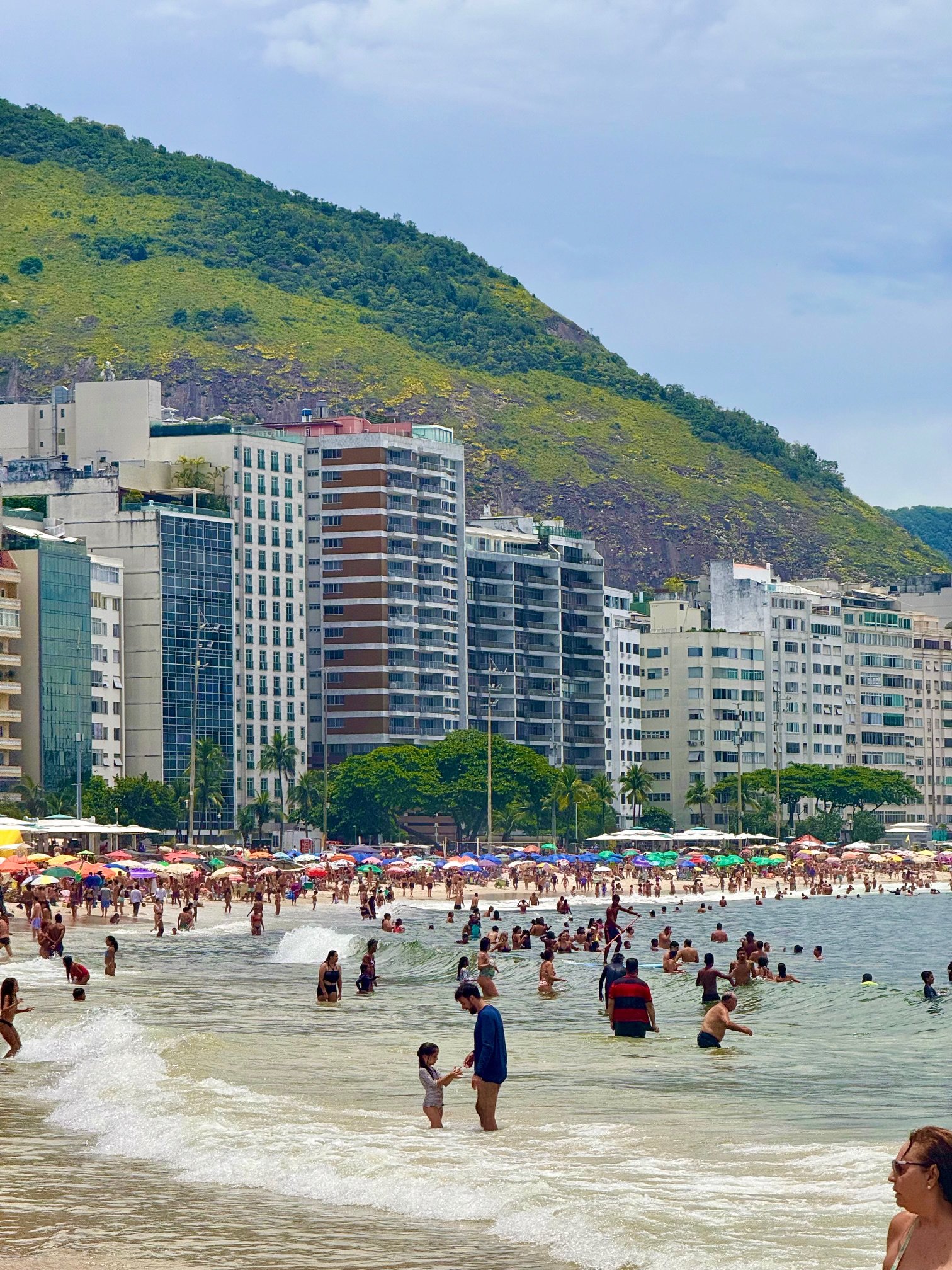
From above, the beach looks like a polka-dot rainbow of tightly packed umbrellas. In the fray, you’ll find caipirinha vendors with carts parked right at the lapping waves, tempting loungers with the promise of a refreshing buzz. Families, lovers, and wannabe influencers coexist, all slick with tanning oil and showing as much skin as possible. For women (of all ages), thong bikinis are the norm; for men, it’s sungas (Speedos) all the way down.
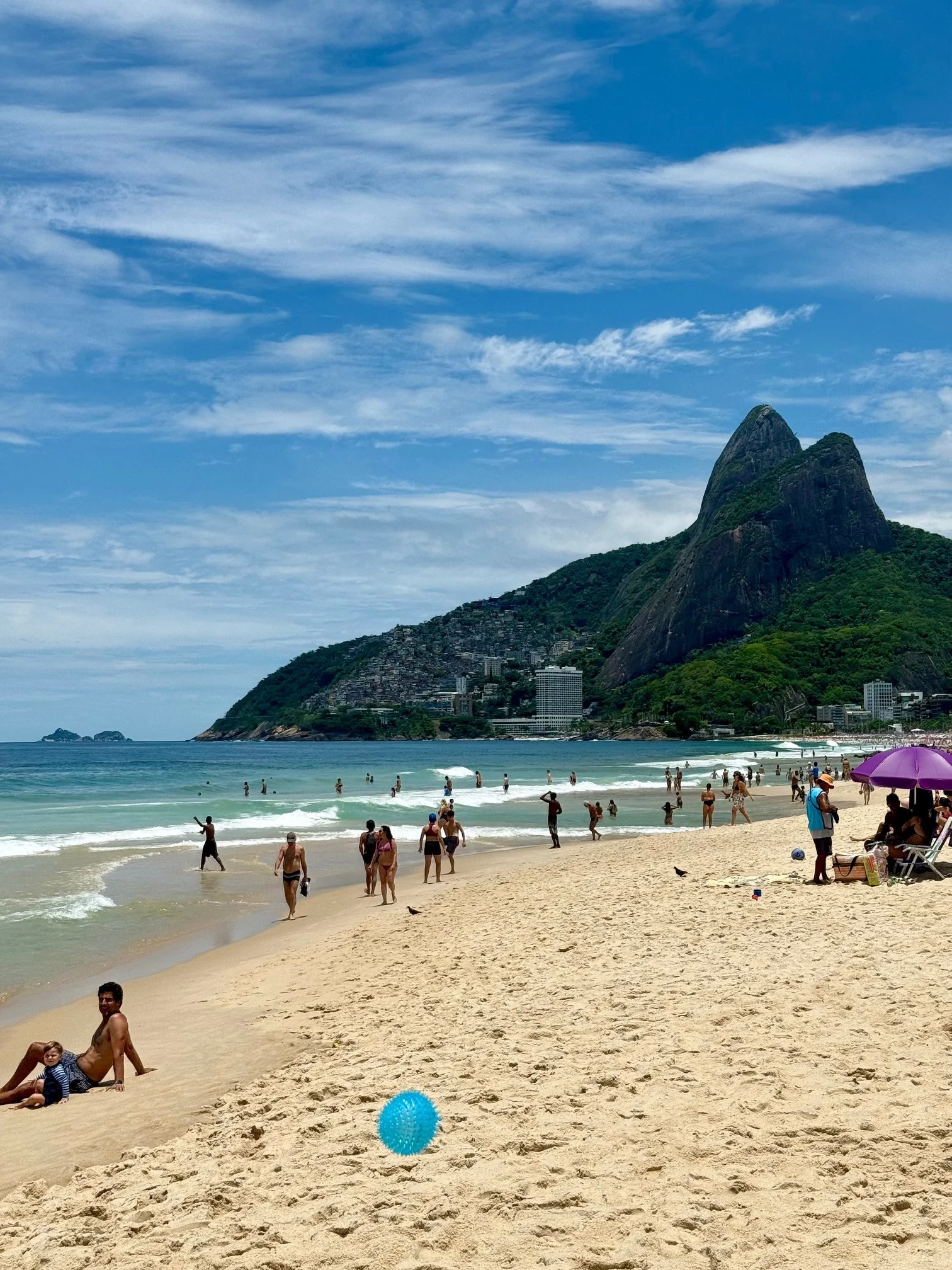
Migrate to Ipanema and the beach scene is similar, if slightly more polished. Hotels stake out their territory with branded umbrellas, but the characters remain: the queijo de coalho guy lugging a charcoal grill, the man wheeling roasted corn with all the fixings, the jewelry vendor plopping his 5×7 poster board in front of any woman who looks his way, and the mate man with kegs of fresh tea slung over his shoulder alongside a massive bag of Globo chips. They shout their offerings in concert, making laps up and down the beach. This roving approach to commerce is uniquely pleasant, entertaining, and practical.
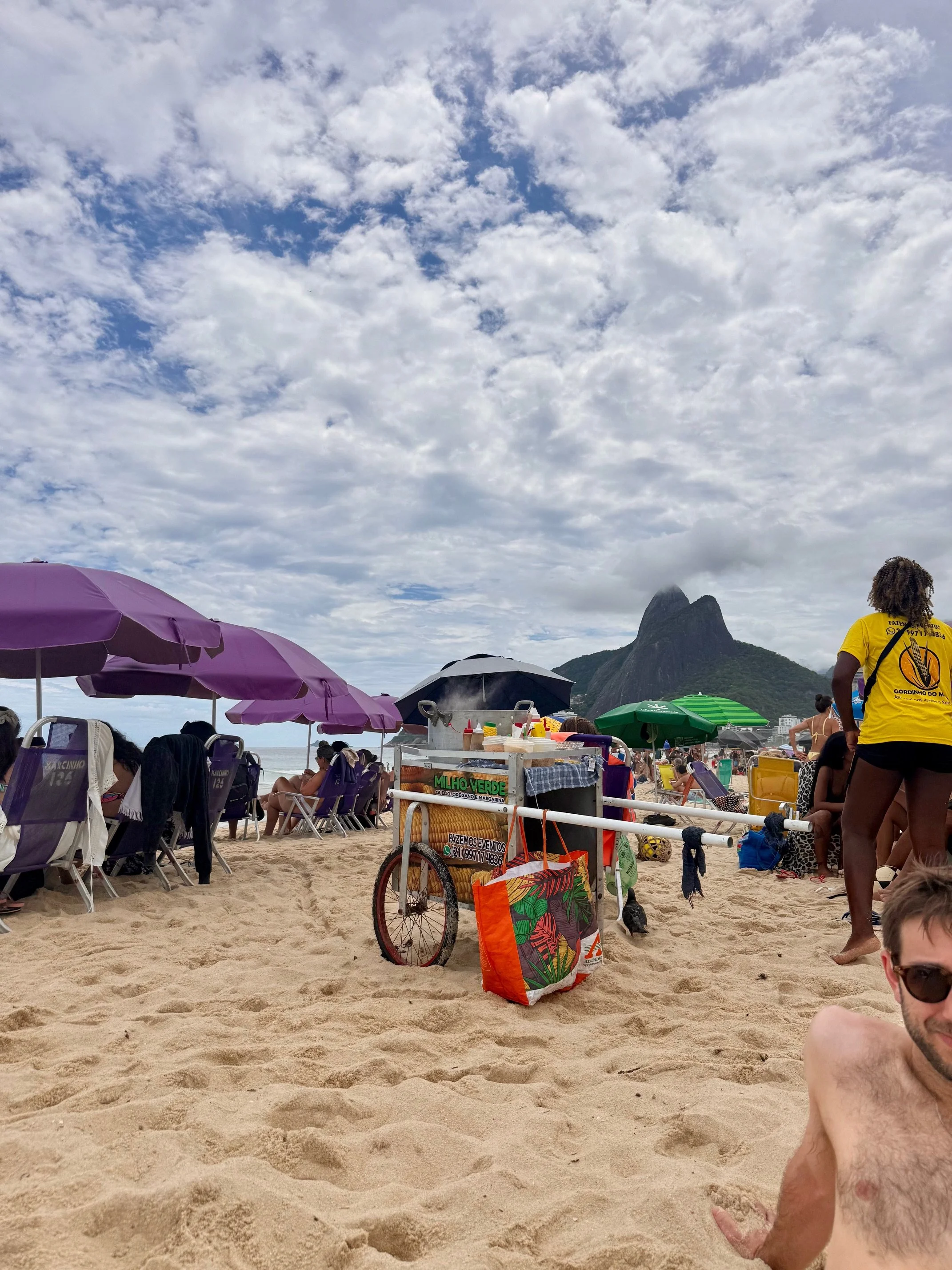
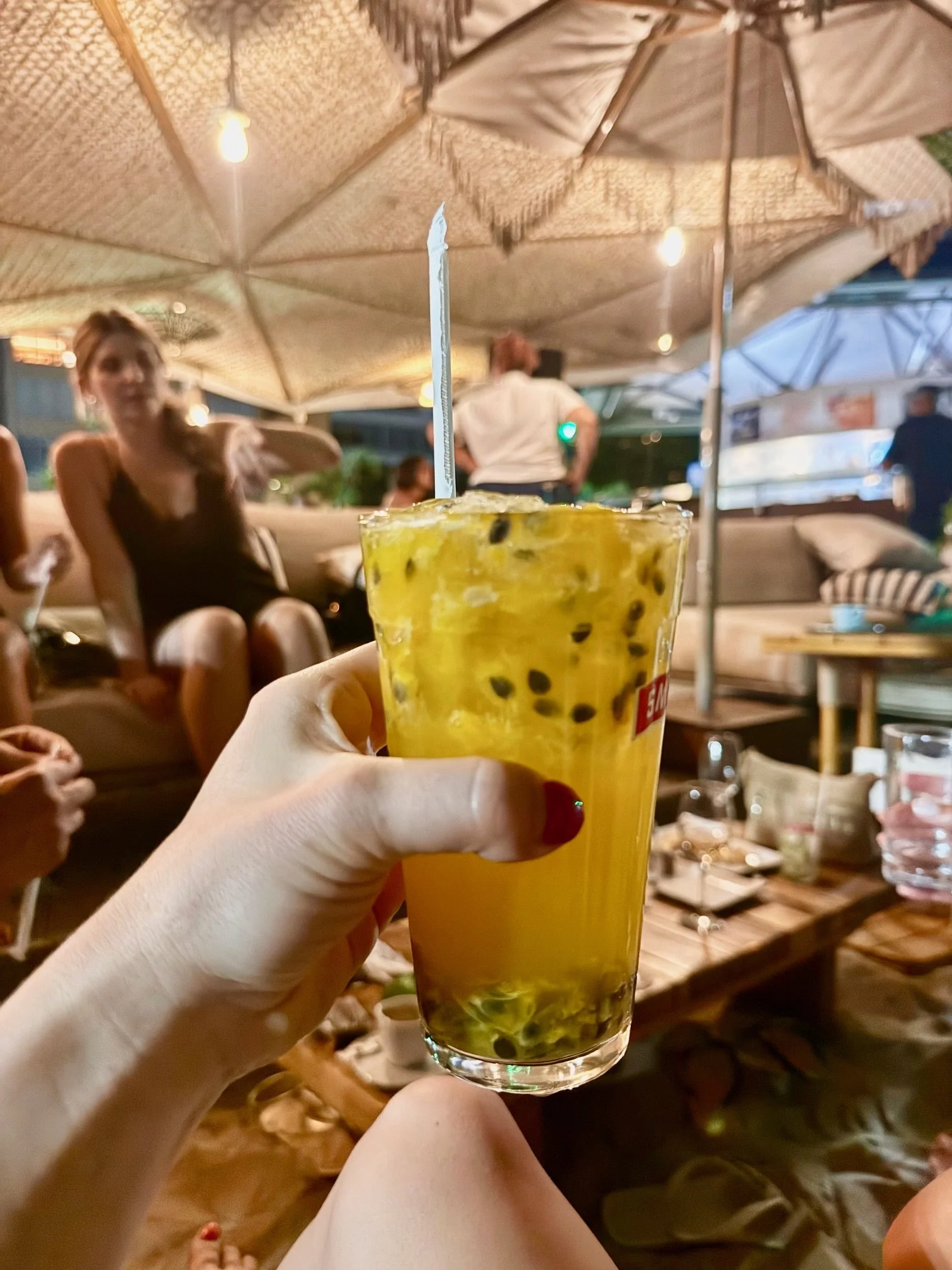
Come in the morning and you’d better be wearing spandex to fit in. Six-packed joggers run the boardwalk, futevôlei matches are underway, sun-baked old men swim laps in the sea, and full-on CrossFit gyms pop up right on the sand. At night, the beach clubs lining the boardwalk fill with salty Cariocas and visitors gathered to watch the sun set behind Morro Dois Irmãos, cold beer or citrusy caipirinha in hand.

As darkness takes over, the favelas dotting the hills light up, their questionably sourced electricity illuminating the mountains. This is when the botecos really shine—there’s no “no shirt, no shoes, no service” mandate here. Havaianas are the footwear of choice, and the dress code is no frills tropical comfort.
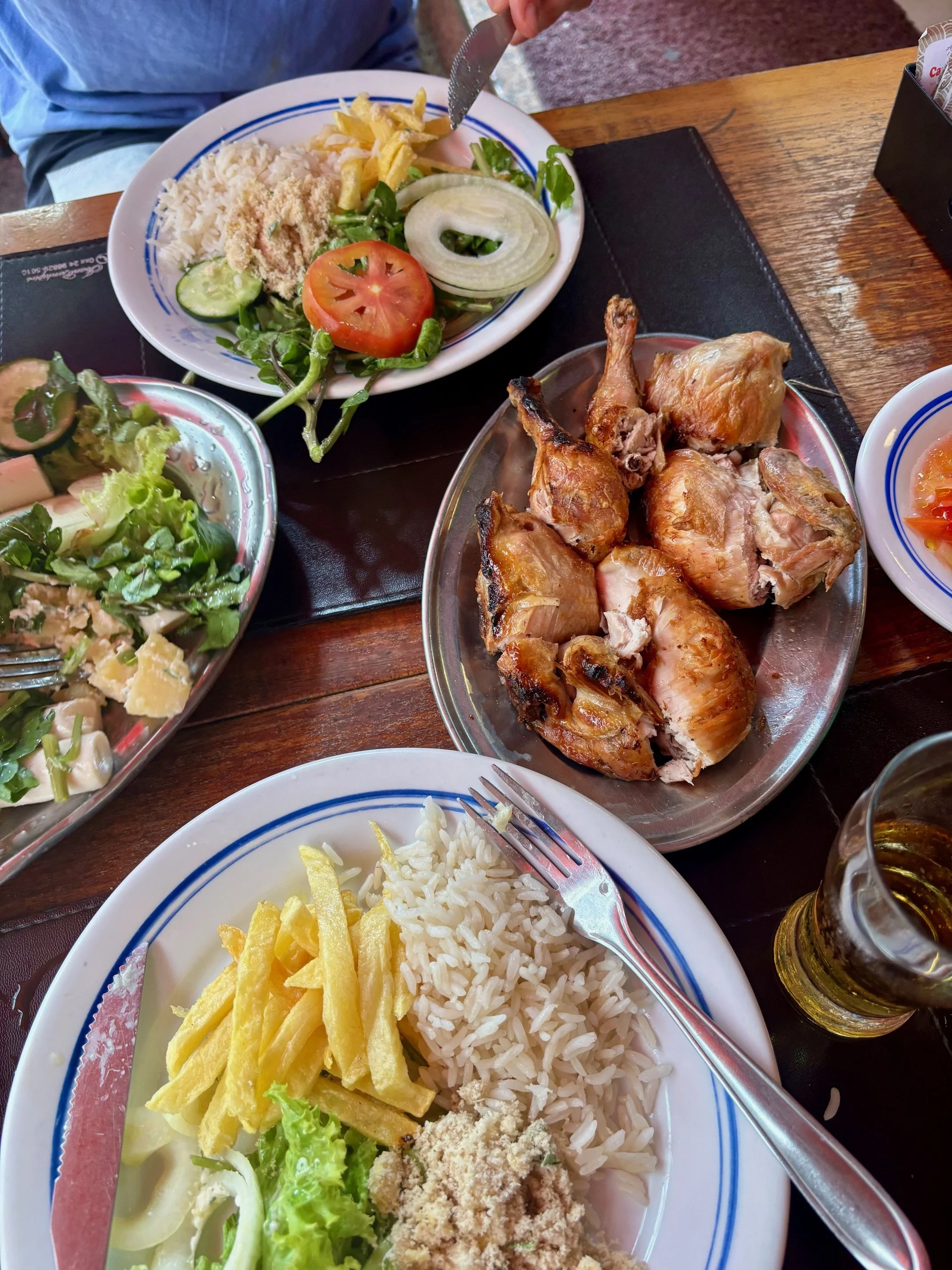
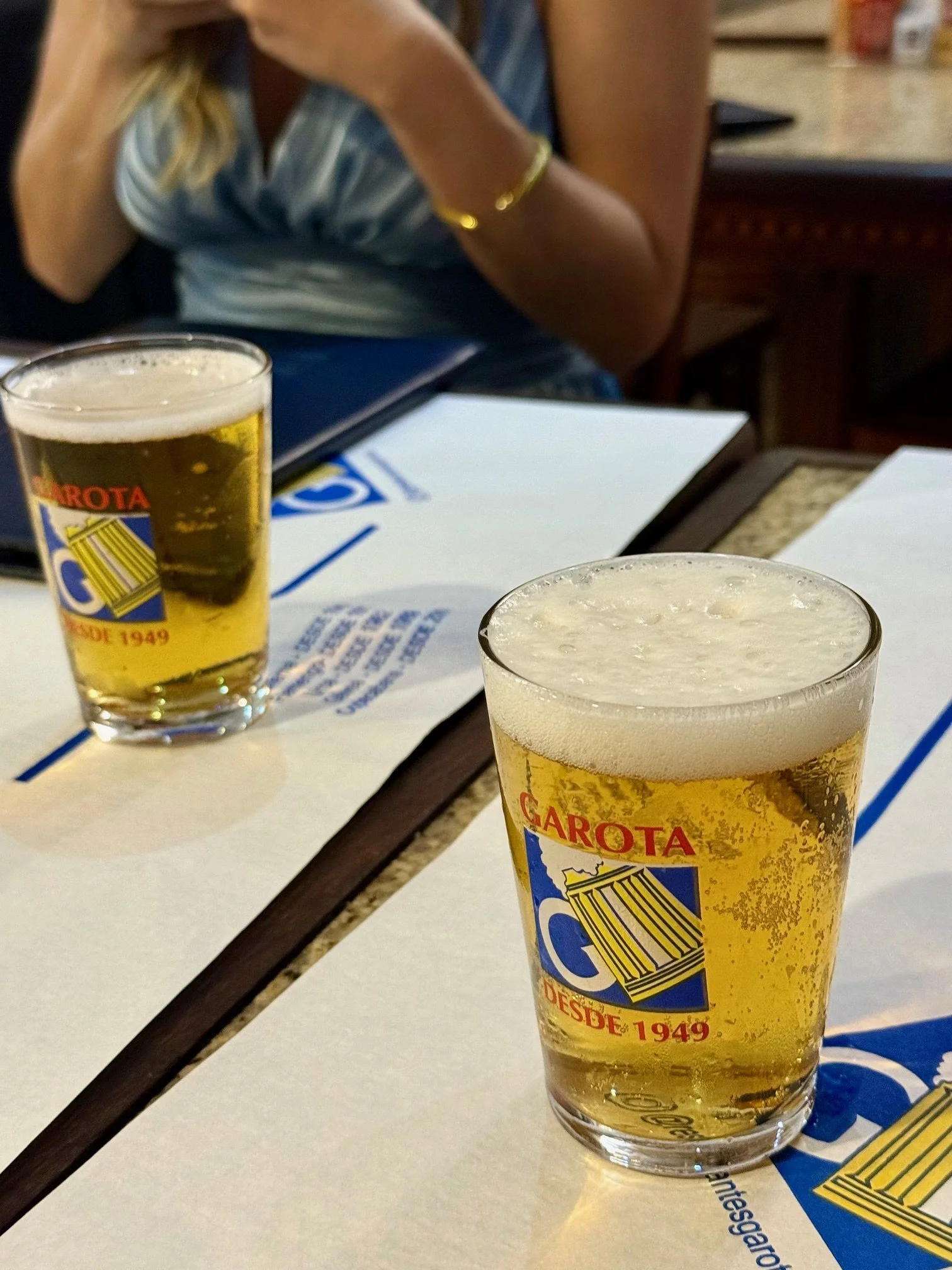
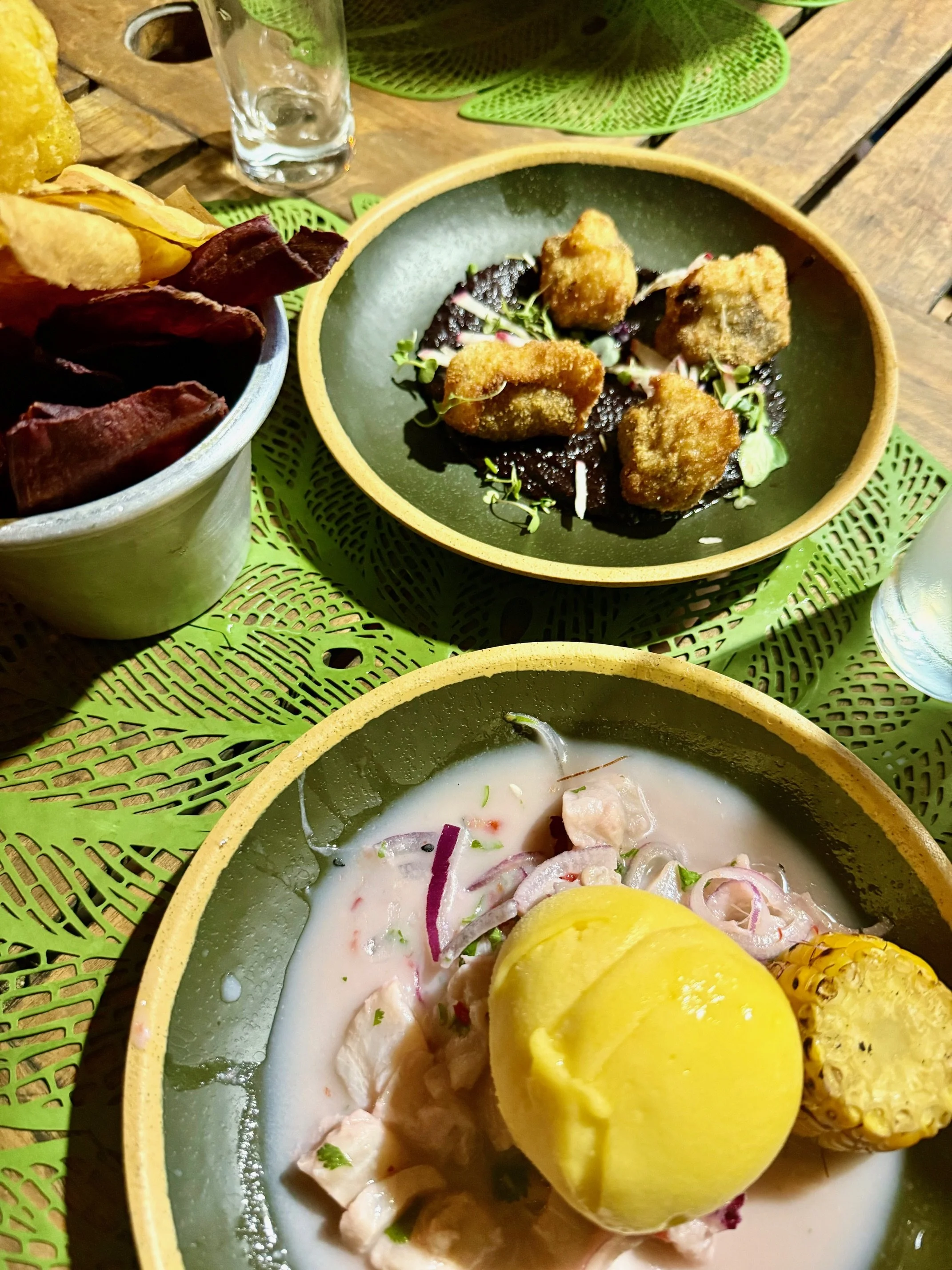
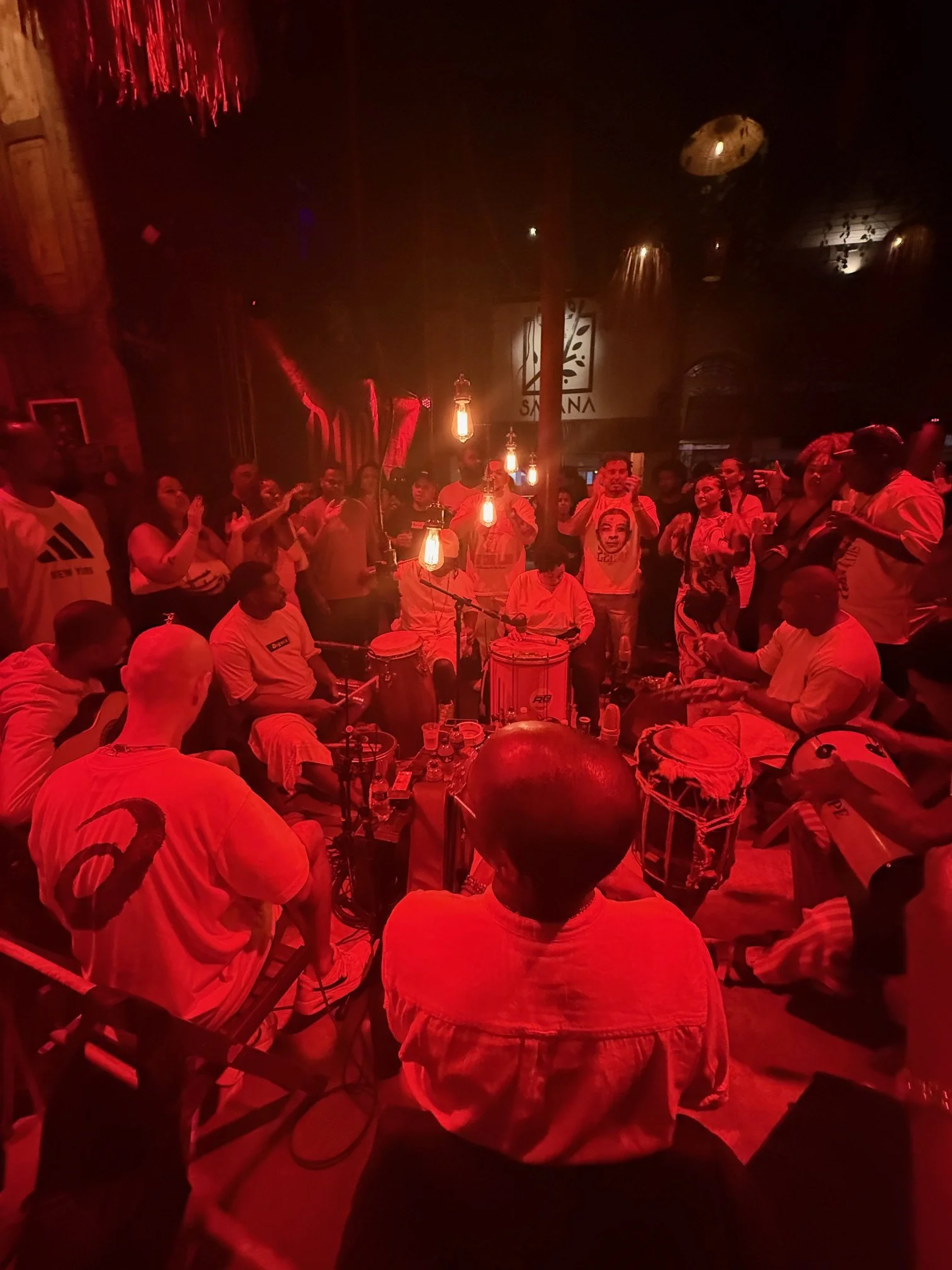
On special nights of the week, with a couple of chopps and croquettes, picanha, or galetos in your system, it’s time to head to a club for samba. Our night at Casa Savana was electric (albeit fully acoustic), with a circle of musicians playing Samba de Roda, a spiritual, euphoric Afro-Brazilian style.
“Did you feel it in your veins?” our Brazilian friends asked the next day. Indeed we did.
While all of the activities mentioned so far are unmistakably tourist-friendly, they represent the local experience too. This is one of the great joys of spending time in Rio–though you may be an outsider with no more knowledge of Portuguese than “Obrigada,” you’re guaranteed to interact with and be welcomed by locals, who are just as eager to splay out on the sand or double-fist caipirinhas as you are.
That being said, Rio’s ridiculous natural splendor means there are plenty of bucket-list items to check off. Hike through a rainforest to a cable car that takes you to the top of Sugarloaf Mountain. Ride an impossibly steep tram to get up close to Christ the Redeemer. Hire a guide to summit Morro Dois Irmãos at sunrise. Helicopter rides, kite surfing, boating excursions, rock climbing, surfing, SUPing—I digress.

And if all of that sounds like too much, or the weather doesn’t cooperate, Ipanema is a shopping dream. Farm Rio, Granado, Dengo, and countless other local brands show off their wares with museum-level merchandising.
After two weeks of Rio remote-work life, I settled into an addictive rhythm: running somewhere stunning in the morning, cooling off and working in the AC, popping out for lunch, and ending the day by diving back into the action. These days felt energizing, even generative, in a way I hadn’t experienced before. Call it novelty, but I’m chalking it up to the Carioca energy: be unserious, stay present, say yes to another round and hell yes to the early-morning run. Rio is a place to savor the gift of being alive, focusing on the positives and the expansive potential of each unfolding day. Marvelous indeed.

Safety in Brazil
Despite what you may hear, you won’t feel unsafe in Brazil as long as you stay vigilant and don’t be a dummy.
Phones: Don’t use your phone on the street. Step into a store if you need directions. Never hold your phone while waiting at a crosswalk because motorbikes are known to whiz by and snatch them.
Jewelry: Leave anything flashy or valuable at home.
Payment: Credit cards and Apple Pay are widely accepted, even by beach vendors. Always check the amount on the terminal since some scammers add extra zeros.
Transportation: Take Ubers, not taxis. They’re cheaper and safer. #notsponsored
Nighttime: Avoid walking at night, especially alone or on side streets. Main roads in Ipanema may be okay for short distances, depending on your comfort level.
Water: Brushing your teeth with tap water is fine but drinking it is not.
Your Food Bucket List
Snacks
Pastel: Crispy fried pastry filled with cheese
Cod croquettes: Spherical fried salt bombs
Coxinha: Teardrop-shaped croquettes filled with shredded chicken
Pão de queijo: Chewy cheese balls made with tapioca flour
Farofa chips: Crispy, bland, weirdly addictive
Tapioca crepes: Sweet or savory crepes made from melted tapioca starch
Açaí: Blended with ice and served barely sweet
Street Food
Boiled corn: Shaved off the cob and mixed with garlic and butter
Grilled cheese w/ oregano: Halloumi-adjacent and grilled over charcoal
Acarajé: Bahian black-eyed pea fritters filled with okra and tiny shrimp
Main Dishes
Feijoada: Smoky bean and meat stew, traditionally served on Saturdays
Stroganoff: Creamy mushroom sauce with chicken or beef
Galeto: Juicy, crispy-skinned small chickens grilled over charcoal
Picanha: Brazil’s favorite steak cut
Moqueca: Coconut-based seafood stew
Farofa: Butter-toasted cassava flour served with most main dishes
Must Try Desserts
Papaya cream: Papaya blended with ice cream and topped with cassis
Pudim: Ultra-sweet Brazilian flan
Guava & cheese: Trust the process
My Favorite Drinks
Caju & mamão smoothie: Cashew fruit + papaya perfection
Caipirinha: The classic cachaça and lime cocktail (order with Maracujá aka passion fruit)
Chopp: Fresh, unpasteurized beer with a foamy head
Batida: Coconut cream and cachaça over ice
Fresh coconut: Sold everywhere (they literally grow on trees)